Find Models to Photograph — Who Actually Want to Shoot
Stop cold-DMing strangers and posting into silent Facebook groups. Discovery matches you with models who made a profile because they want to collaborate — for TFP, portfolio tests or paid work — and the shoot itself can happen remotely.
Short answer
The fastest way to find models to photograph is to look where models are actively looking for photographers. Discovery, the matching feature built into CLOS, works swipe-style: you browse model profiles, like the ones that fit your concept, and when the interest is mutual a chat opens. Because CLOS runs the photoshoot remotely, a match in another city — or another country — is as shootable as one across town.
Key takeaways
- Verified intent — every model on Discovery made a profile because they want to shoot, not because you DMed them first
- Swipe, match, chat — a mutual like opens the conversation; no gatekeepers, no lead forms
- TFP, tests or paid — agree the terms in chat, from trade collaborations to booked sessions
- No geography limit — match anywhere and shoot through a CLOS remote session, full-resolution files included
How it works with CLOS
Finding a model and shooting with one are usually two separate problems. In CLOS they are one loop: match in Discovery, plan in chat, then shoot in the same app.
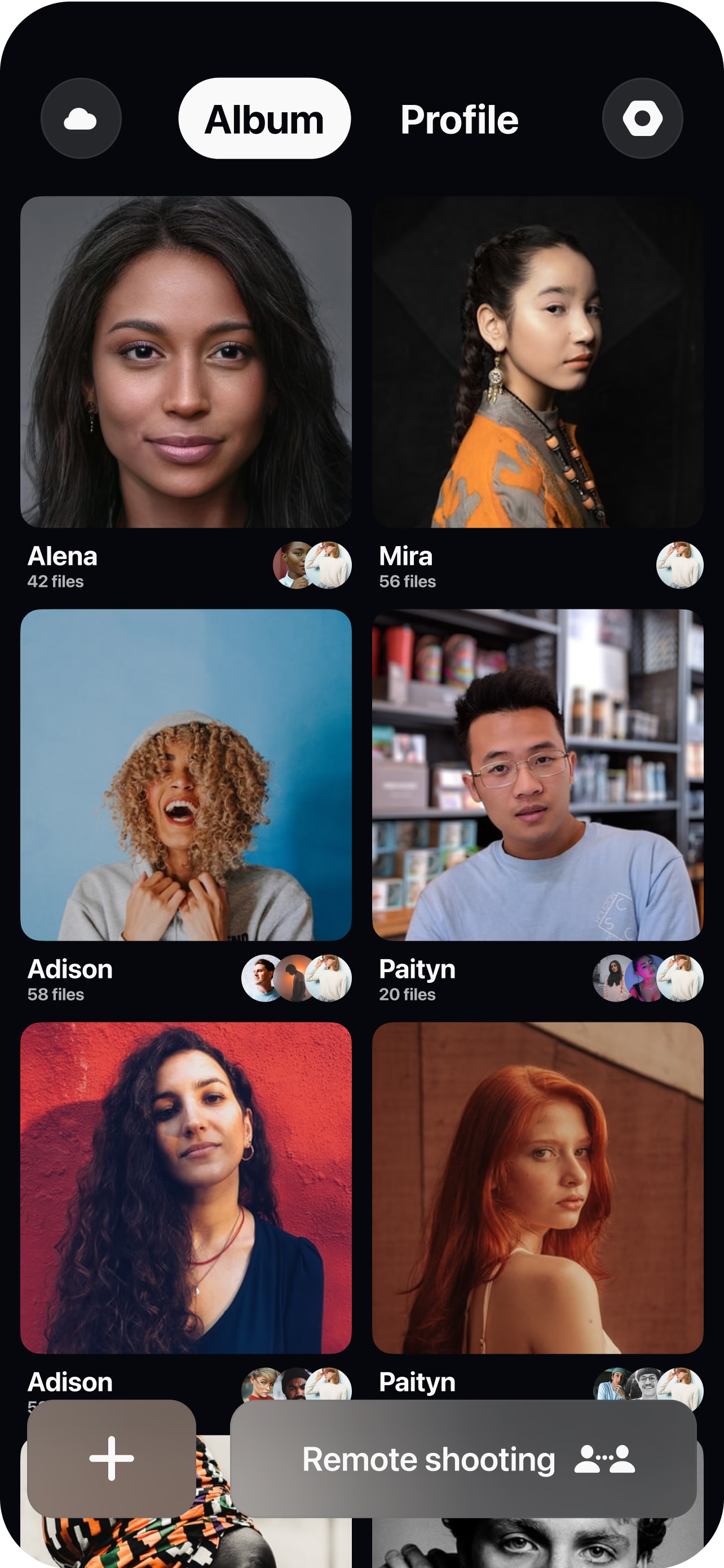
Create your profile in Discovery
Open the CLOS app, tap the plus button and choose Find New Collaborators. Add your portfolio, links and a profile photo — models judge your work the same way you judge theirs.
Browse models and match
Search for models who fit your next concept, like the profiles you want to work with and skip the rest. When a model likes you back, a chat opens and you plan the shoot together.
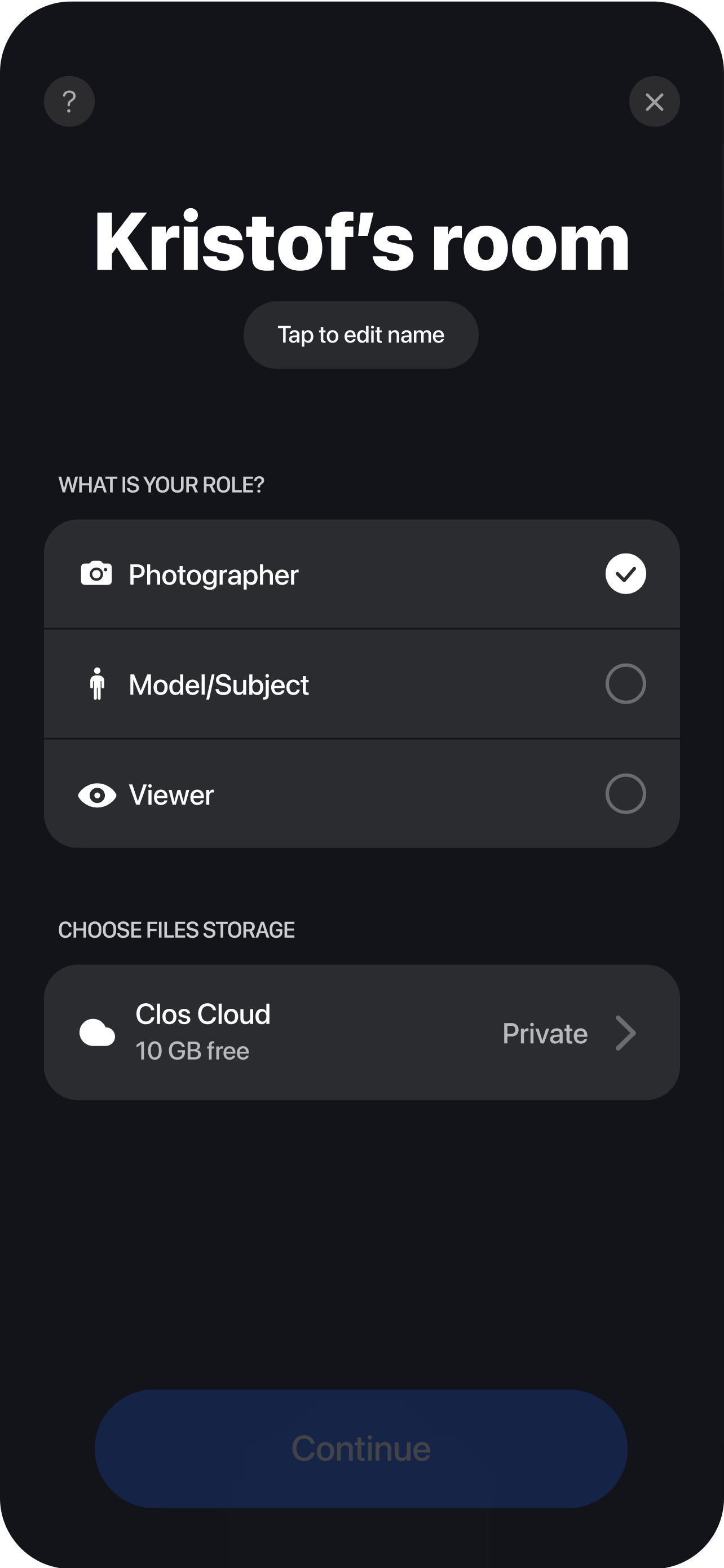
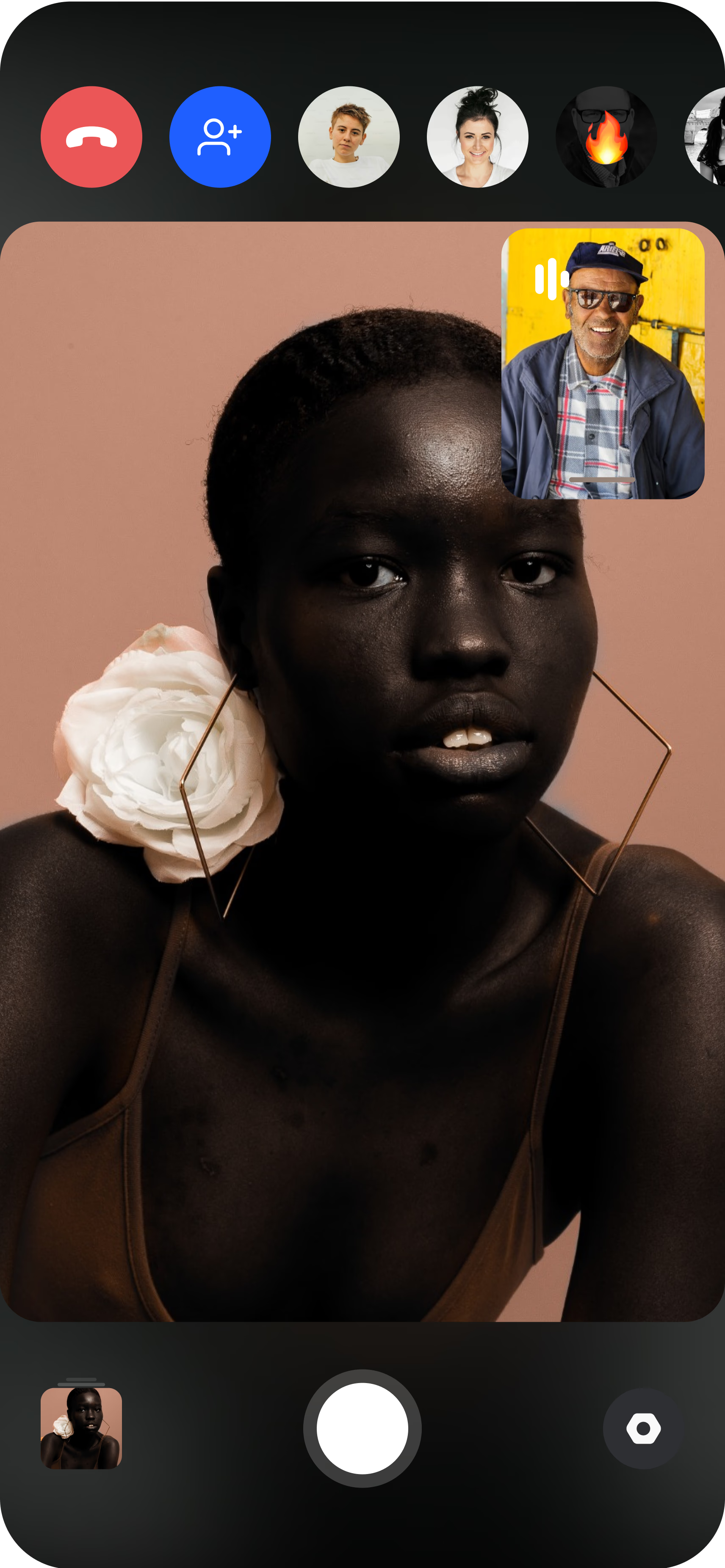
Shoot together, wherever you both are
Set up a virtual room, invite your match and direct the session: you control the camera on the model's phone while every frame lands in the cloud in real time.
Why matching beats cold DMs to find models for photoshoots
Ask any photographer how they find models and you will hear the same list: Instagram DMs, aging portfolio forums, local Facebook groups. All three share the same flaw — you are pitching people who never said they wanted to be pitched. Half the messages go unanswered, and half of the arranged shoots quietly fall through.
Discovery flips the direction of intent. Everyone you see has already created a profile because they want to collaborate — and every profile is reviewed by the CLOS team before it appears, so you are not wading through spam or empty accounts. The conversation starts at “what should we shoot?” instead of “would you ever consider…?”. You evaluate a model’s look and portfolio before you like; they evaluate your work the same way. A match is two people who have already said yes to each other’s photography — which is why matches turn into sessions instead of ghosted threads.
TFP, test shoots and paid collaborations
Finding models for portfolio shoots usually runs on trade: in a TFP (time-for-print) collaboration, photographer and model both shoot unpaid and both keep the images. Discovery is built for exactly that exchange — new photographers building a book, working photographers testing a concept before a client shoot, and paid bookings when a budget exists. Agree the terms in chat before the session: what each side gets, how many finals, and where the images may be used.
Because CLOS captures full-resolution files — with RAW and Apple ProRaw on Pro — a trade shoot still ends with portfolio-grade images on both sides, delivered through real-time cloud delivery the moment the session wraps.
Your pool of models is no longer your city
The reason most photographers run out of models is geography: once you have shot the willing faces within driving distance, the book stops growing. With CLOS the shoot happens through a virtual room — the model poses with their own phone while you hold remote camera control over framing, focus and exposure. A match in Lisbon, Lagos or Los Angeles is equally shootable from your desk.
That widens more than the pool. Different cities mean different looks, light and backdrops, so a remote-first portfolio reads broader than a local one. Our guide to doing a remote photoshoot covers the session itself, step by step.
Who uses this
- Photographers building a portfolio who need more faces than their city offers — see how CLOS fits working photographers.
- Established photographers testing concepts with a willing collaborator before pitching the idea to a client.
- Photographers moving into new genres — portrait, fashion, editorial — who need genre-specific work in the book before the first booking.
- Remote-first photographers who already shoot over CLOS and want a native way to find subjects.
- Casting and creative teams scouting fresh faces — a lighter-weight cousin of virtual casting sessions.
Frequently asked questions
How do I find models to photograph without an agency? +
Is this only for TFP, or can I book paid shoots? +
What is a TFP shoot? +
Do I need to be in the same city as the model? +
Are remote files really portfolio quality? +
What does it cost to find and shoot a model this way? +
Related
- Discovery — collaborator matching
How the swipe-style matching feature works.
- For models: find a photographer
The other side of the match — models looking for photographers.
- Guide: how to do a remote photoshoot
What happens after you match, step by step.
- For photographers
How CLOS fits a working photographer's workflow.
Match with your next model today
Open Discovery in the CLOS app, build your profile and start matching with models who actually want to shoot. Free to start — no credit card required.