Mar 15, 2026

Virtual production and remote capture are reshaping how creative work gets made. This guide focuses on photographers’ career paths inside virtual production, highlights community learning and networking resources tailored for photographers, and lists the events where photography professionals meet. You’ll find practical advice for navigating the field, learn which photographer roles matter most, and see how remote tools create new opportunities in photography.
What are virtual production careers for photographers — and how do you get started?
Virtual production careers for photographers involve using real-time tools to create immersive visual content. Workflows merge live-action photography with computer-generated imagery (CGI) on set, giving photographers faster iteration and tighter creative control. As the industry grows, more entry points appear, so whether you’re starting out or reskilling, the field is increasingly accessible.
Combining VR, game engines, and LED volumes marks a clear evolution from traditional photography and filmmaking workflows.
Key photographer roles in virtual production
Photographers supply visual assets and techniques essential for virtual production pipelines. They work closely with casting directors and production crews to capture images that integrate seamlessly with LED volumes and mixed reality setups. Each photographer combines technical skill with creative judgment to keep projects moving and maintain high visual standards.
How remote capture transforms photography career opportunities
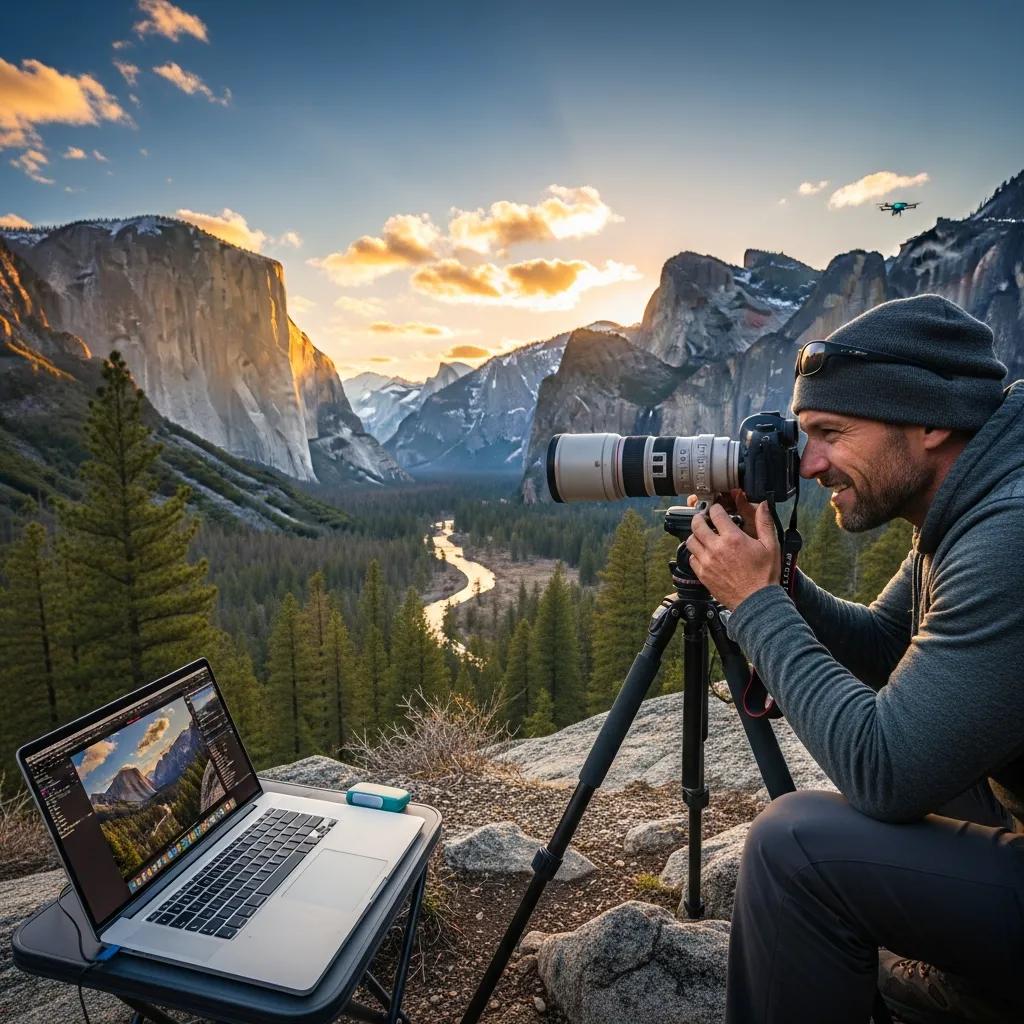
Remote capture lets photographers contribute to high-end shoots from almost anywhere. By enabling distributed teams to share high-fidelity assets and direct sessions remotely, it reduces location constraints and increases available projects — from freelance gigs to remote staff roles and cross-border collaborations.
Growing research shows virtual environments reduce geographic and scheduling barriers, making training and career resources more accessible worldwide.
Adding remote photography to your portfolio: a success story
Jane, a professional photographer, expanded her portfolio by incorporating remote capture techniques. After learning to use remote capture tools, she began offering virtual photography sessions to clients outside her local area. This flexibility allowed her to take on more projects, including international campaigns, without the need for travel. As a result, Jane gained several new clients, increased her income, and built a reputation for adaptability and technical expertise in virtual production photography.
How does remote capture enhance creative collaboration for photographers?
Remote capture enables real-time collaboration without everyone being on set. It shortens feedback loops, preserves production quality, and helps photographers maintain consistent visual standards across locations — resulting in faster decisions, fewer retakes, and smoother coordination between departments.
Case studies document how studios adopt and adapt remote collaboration tools across different markets.
Benefits of remote capture for photography agencies and freelancers
Efficiency : Remote capture simplifies workflows, reducing the time and logistical burden of traditional shoots.
Cost-effectiveness : By cutting travel and on-site costs, photographers and agencies can invest more budget in production value.
Wider talent pool : Photographers can access diverse projects and clients across regions, expanding creative opportunities.
How the CLOS app supports virtual production photography workflows
The CLOS app supports guided remote sessions, live monitoring, and session notes to keep photography teams aligned. By centralizing communication and reducing back-and-forth, it helps photographers focus on craft rather than logistics.
Where to find and take part in photography networking events

Networking events are vital for photographers and virtual production professionals — they’re where skills are exchanged, partnerships form, and new projects begin.
Upcoming industry events and workshops calendar
Keep a running calendar of events and workshops to stay visible. These gatherings typically combine expert talks, hands-on sessions, and networking that can lead to collaborations or new clients. Focus on sessions most relevant to your role and follow up with contacts afterward.
How to join and engage with photography community platforms
Joining and contributing to photography and virtual production communities accelerates career growth. Start with these practical steps:
Create a profile : Put together a concise, professional presence on the platforms where peers and clients gather.
Participate in discussions : Share useful insights, ask focused questions, and offer constructive feedback to build credibility.
Attend virtual meetups : Use online events to meet leaders, showcase your work, and follow up afterward.
What community resources support growth in virtual production photography careers?
Community resources — courses, case studies, meetups, and mentorships — are essential for learning and networking in virtual production photography. They provide practical guidance, examples, and connections you can apply to projects.
Educational content and case studies on remote capture success for photographers
Focused educational content and documented case studies clarify remote capture workflows and offer proven techniques specifically for photographers. Studying real projects speeds skill development and sparks ideas you can adapt to your work.
How community events drive networking and professional growth for photographers
Events bring photographers together to exchange knowledge, test tools, and form partnerships. Conferences, workshops, and local meetups expose you to trends, mentors, and collaborators who can help advance your career.
Resource type | Description | Benefits |
|---|---|---|
Educational content | Online courses, on-demand lessons, and live webinars | Hands-on skill building and current best practices |
Case studies | Practical breakdowns of successful projects | Real-world examples and applied best practices |
Networking events | Conferences, meetups, and virtual gatherings | New connections and collaboration opportunities |
The table summarizes the main community resources you can use to grow in virtual production photography and what each offers.
Frequently asked questions
What educational paths are available for aspiring virtual production photographers?
Options include degrees in photography, film production, digital media, or computer graphics; specialized courses in virtual production, remote capture, and real-time rendering; and online training via webinars and workshops. Hands-on experience — internships, collaborative projects, and portfolio work — remains essential.
How does remote capture technology affect the role of a photographer?
Remote capture enables photographers to work from varied locations while delivering high-quality output. It supports real-time collaboration with directors and production teams, so photographers receive feedback during shoots and can make creative choices on the spot, expanding project types and portfolio opportunities.
What are the key differences between traditional and virtual production photography workflows?
Traditional workflows shift visual effects into post-production, while virtual production integrates those elements into the shoot. That enables immediate adjustments on set and relies on tools like LED walls and game engines to create immersive environments, reducing extensive post work.
What role does networking play in advancing a photography career in virtual production?
Networking leads to job openings, collaborations, and mentors. Engaging at events, workshops, and online platforms builds relationships that can produce referrals and partnerships. Active participation and sharing useful work increase visibility and credibility.
How can I leverage social media for career growth in virtual production photography?
Use social platforms to showcase projects, process, and insights. Regular, thoughtful posts help build a personal brand that attracts clients and collaborators. Engage with relevant content, join groups, and follow industry leaders; LinkedIn supports professional networking while portfolio platforms showcase visual work.
What are some emerging trends in virtual production photography that professionals should be aware of?
Trends include growing use of artificial intelligence for content creation and real-time rendering, wider integration of AR and VR for immersive storytelling, and more remote collaboration tools. Staying current with these developments helps you remain competitive as the field evolves.
Conclusion
Virtual production opens new creative and collaborative possibilities for photographers. By learning remote capture techniques, using community resources, and attending industry events, you can sharpen skills and grow your network. Explore projects, share your work, and join the vibrant virtual production photography community.